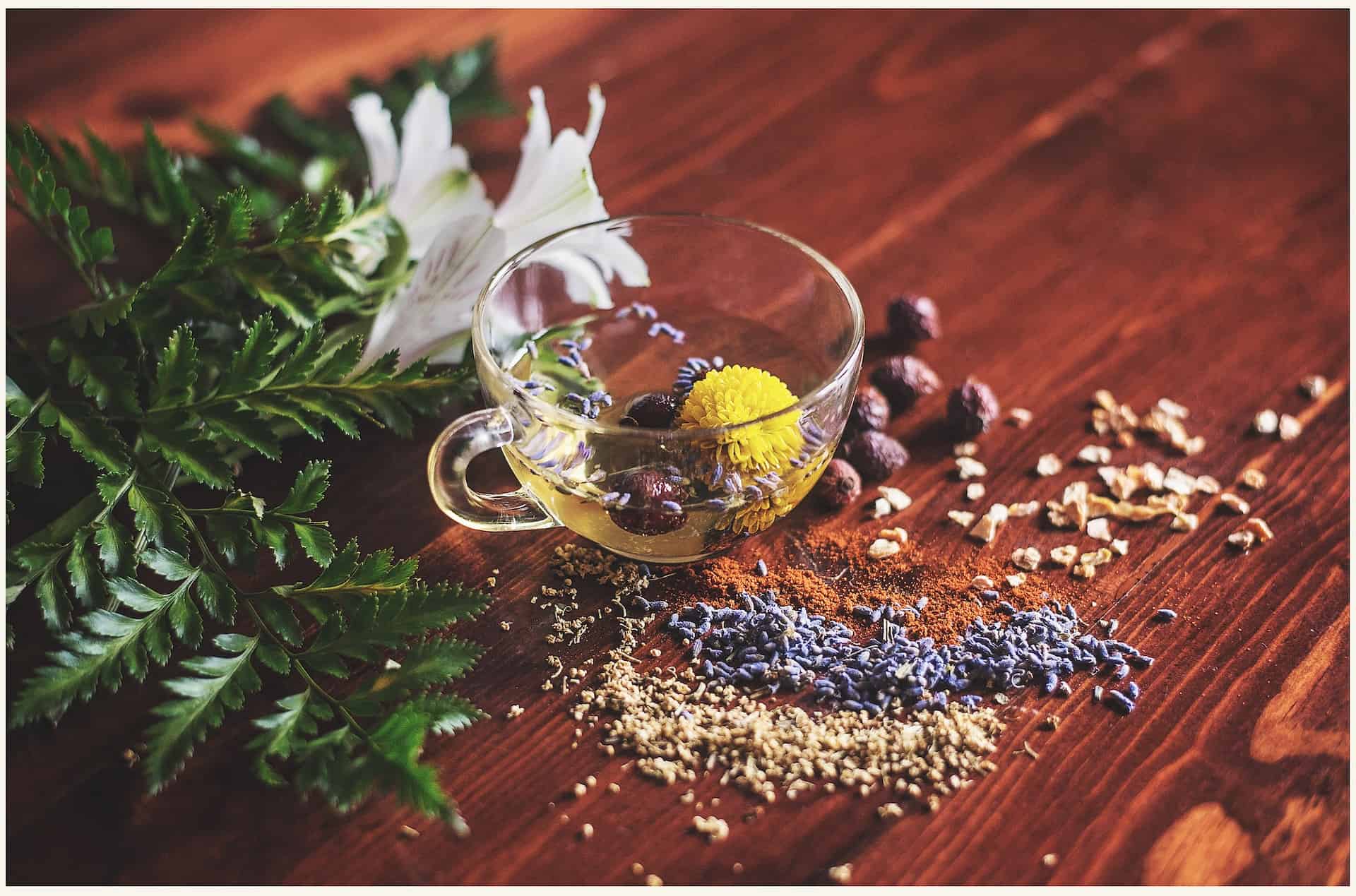
Hormone balance is influenced by stress, digestion, sleep and daily rhythm. Ayurveda approaches this as a whole-body system, using Ayurvedic herbs, nourishing food, routine and mind-body practices. Acupuncture complements this by supporting energy flow and stabilising hormonal signals. Together, they offer a gentle, personalised way to regulate cycles, improve mood and restore balance.
How Ayurveda Understands Hormonal Imbalance with Ayurvedic Herbs and Practices
Ayurveda views hormones as part of a wider network involving digestion (Agni), vitality (Ojas) and the doshas—Vata, Pitta and Kapha. When sleep is irregular, meals are rushed, or stress stays high, this network weakens. The result can be PMS, acne, low mood, irregular cycles, skin changes or sluggish energy.
Vata imbalance often causes anxiety, dryness and erratic periods.
Pitta imbalance drives heat, irritability and heavy bleeding.
Kapha imbalance slows cycles, increases water retention and lowers mood.
A practitioner assesses your dosha, lifestyle and symptoms to tailor food, Ayurvedic herbs and routines to your exact pattern.
The Role of Agni and Ama
Strong digestion (Agni) supports hormone production by helping the body absorb essential nutrients. Weak Agni creates ama, a toxic residue that clogs pathways and disrupts hormonal communication.
Signs of sluggish Agni or rising ama include bloating, fatigue, coated tongue, brain fog, menstrual clots and unpredictable cycles.
Simple Ayurvedic resets help restore clarity:
- Warm, freshly cooked meals
- Regular meal times
- Digestive spices like ginger, cumin and fennel
- Early, consistent sleep
- Gentle detox routines when needed
Stronger digestion means more efficient hormone regulation.
Ayurvedic Herbs for Hormone Balance
Ayurvedic herbs play a central role because they support stress response, metabolism, digestion and reproductive health.
Commonly used herbs include:
- Ashwagandha: for stress, sleep and adrenal support.
- Shatavari: for menstrual regularity, perimenopause and reproductive strength.
- Guduchi: for inflammation and immune balance.
- Triphala: for gut health and healthy oestrogen metabolism.
- Turmeric & Boswellia: for reducing inflammatory triggers.
- Brahmi: for mood, anxiety relief and nervous-system steadiness.
Your dosha determines which herbs work best:
- Vata: ashwagandha, shatavari, licorice, warm herbal oils
- Pitta: brahmi, amalaki, coriander-fennel tea
- Kapha: guggul, trikatu, turmeric, drying spices
Always use herbs under professional supervision, especially if pregnant or on medication.
How Diet and Lifestyle Support Hormone Balance
Hormonal regulation depends on predictable rhythms. Ayurveda emphasises steady meals, warm foods, fibre, healthy fats and consistent sleep.
Helpful habits include:
- Three calm meals daily, main meal at lunchtime
- Avoiding excess caffeine, sugar and ultra-processed foods
- Yoga, walking and gentle strength work
- Evening wind-down rituals with no late screens
- Daily oil massage (abhyanga) to calm the nervous system
Small, daily changes create the biggest shifts.
Acupuncture for Hormone Regulation
Acupuncture works on meridians—energy pathways that influence hormones, stress levels and reproductive organs. It gently regulates the flow of qi, helping the body reset hormonal patterns.
Acupuncture is commonly used to support:
- Menstrual irregularity
- PMS and cramps
- Hot flushes and perimenopause symptoms
- Fertility and ovulation issues
- Stress-related cycle changes
- Low energy and sleep disturbance
Key points often include Kidney, Spleen and Liver meridians, which govern reproductive vitality, nourishment and emotional balance.
Weekly sessions for six to eight weeks often deliver noticeable improvements, especially when combined with Ayurvedic herbs, warm meals and breathwork.
Combining Ayurvedic Herbs and Acupuncture
When used together, Ayurvedic herbs strengthen the internal system while acupuncture supports external energy flow. The combination often improves:
- Cycle regularity
- PMS and cramping
- Hot flushes and mood swings
- Sleep quality
- Stress resilience
- Overall hormonal stability
Patients often report better morning energy, fewer clots, smoother ovulation signs and calmer mood.
Living in Balance With Your Dosha
Understanding your constitution helps you make daily choices that support hormone health.
- Vata: Choose warmth, routine, grounding meals, sesame oil massage and adaptogens.
- Pitta: Prioritise cooling foods, early dinners, gentle movement and herbs like brahmi and guduchi.
- Kapha: Light, spicy meals, brisk movement, dry brushing and herbs like trikatu and guggul.
Small adjustments matched to your dosha often produce quick, sustainable improvements.
Conclusion
Hormone balance is achievable with a personalised blend of Ayurvedic herbs, nourishing lifestyle routines and supportive therapies like acupuncture. By strengthening digestion, reducing stress and restoring natural rhythms, both systems work together to stabilise cycles, improve mood and maintain long-term wellbeing.
Start with one small change—an early dinner, a calming tea or a short breathing practice—and build from there. Consistency creates balance.